Wissenschaftsgeschichte
Wasserchemie mit dem Plymouth Marine Laboratory
Informationen zu dieser Wissenschaftsgeschichte
Ressourcen: 46
Geeignetes Alter: 12, 13, 14, 15, 16, 17, 18
Themen: Nachhaltige Ressourcen, Sauerstoffentfernung, Ozean, Süßwasser, Chemie der Ozeane, Nährstoffbelastung
Themen: Nachhaltige Ressourcen, Sauerstoffentfernung, Ozean, Süßwasser, Chemie der Ozeane, Nährstoffbelastung
Ziele und Ergebnisse
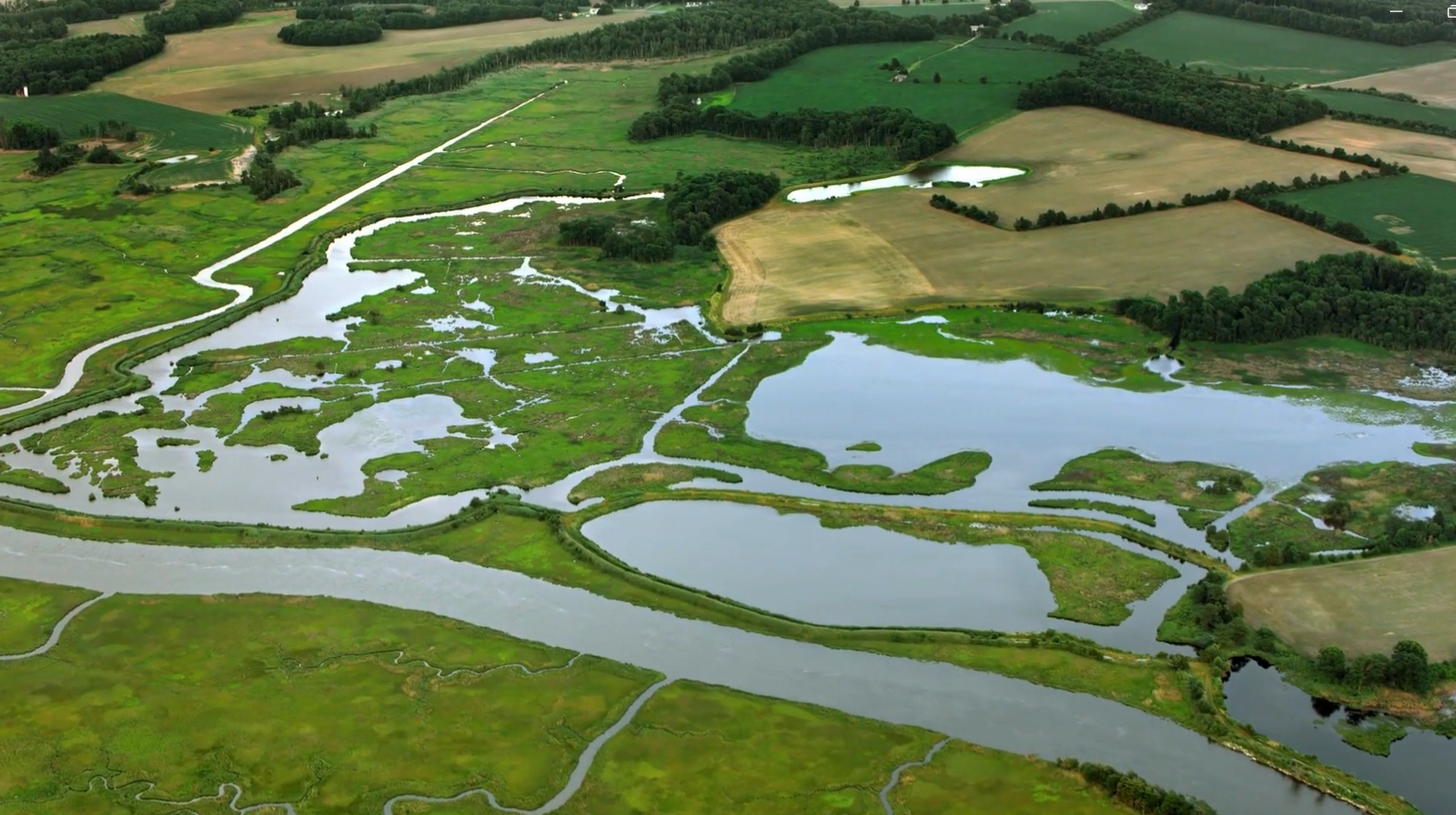
- Describe the pathways through which pollutants from land-based activities, such as farming, enter freshwater and marine ecosystems .
- Analyse the chemical changes that occur in aquatic environments when common agricultural pollutants are introduced and explain their short- and long-term effects .
- Explain the causes of ocean acidification, including the contribution of agricultural practices, and assess its ecological and socio-economic consequences .
- Summarise and interpret the main ideas and supporting details of a journalistic article on ocean acidification and communicate the key findings to a target audience using appropriate language .
- Evaluate the roles and responsibilities of individuals, agricultural industries, policymakers, and scientists in mitigating the impact of farming on water chemistry and debate possible solutions through group discussions .
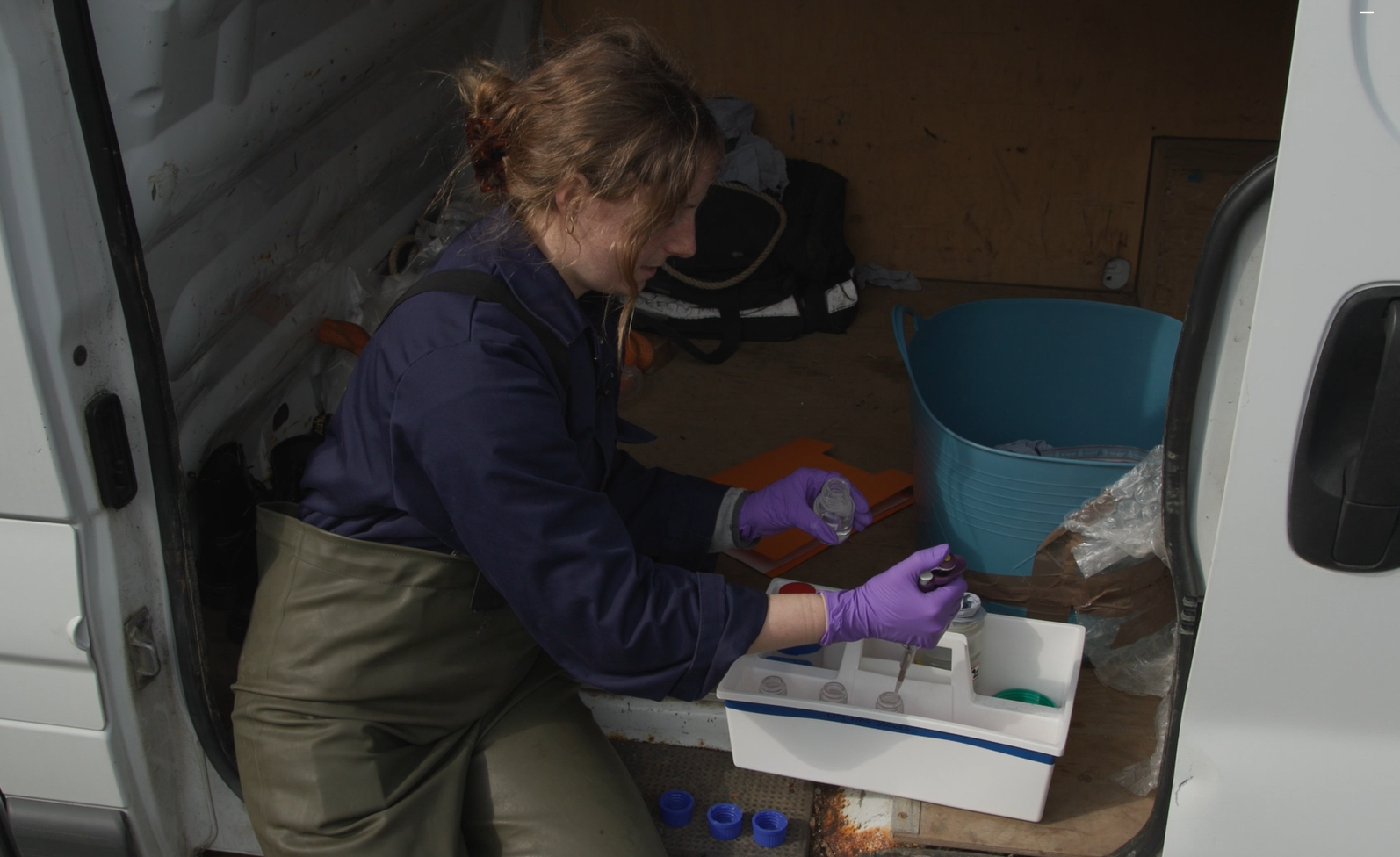
Lernen Sie das Team kennen
Die Wissenschaftler/Pädagogen hinter dieser Wissenschaftsgeschichte:

- Name: Amy Kenworthy .
- Role: Presenter/ Science Communicator .
- About: Amy is a project manager and science communicator with experience in manging international projects addressing pressures on the marine environment .

- Name: Elin Meek .
- Role: Presenter/ Research and Impact Service Officer .
- About: Elin has a background in Marine Biology, and has volunteered with multiple marine NGOs, helping to manage and coordinate their research and outreach projects .
Hintergrund
- Teaching about water chemistry is important because it connects key science topics, such as chemical reactions, ecosystems, climate change, and human impacts on the environment, that are part of most secondary school curricula.
- Exploring how the ocean absorbs carbon dioxide and how processes like acidification and eutrophication occur helps students apply core chemistry and biology concepts to real-world challenges .
- It encourages critical thinking about global sustainability, environmental stewardship, and the vital role oceans play in supporting life on Earth .
Herunterladbare Wissenschaftsgeschichte
Diese Science Story enthält Videos und Aktivitäten, die miteinander verknüpft sind. Die Videos in diesem Unterrichtsplan bieten Hintergrundwissen zu den Aktivitäten. Wir empfehlen, die Videos anzuschauen und die Aktivitäten auszuwählen, die am besten zu Ihrer Klasse passen, oder sie an Ihre Klasse anzupassen.
Lehrernotizen
Wissenschaftsgeschichte
Inhalt der Wissenschaftsgeschichte
Verwandte Themen: Nachhaltige Ressourcen. Sauerstoffentfernung. Ozean. Süßwasser. Chemie der Ozeane. Nährstoffbelastung.
Schlüsselwörter: Nährstoffe. Eutrophierung. Kohlenstoff. Chemie. Biologie. Chemische Reaktionen. Ph. Versauerung der Ozeane. Acidität. Alkalinität. Kohlendioxid. Indikatoren. Hypoxie. Moleküle. Landwirtschaft.
Anzahl der Aufrufe: 2757
Anzahl der Downloads: 6