Science Story
Restoring Waterways Science Story
Information about this Science Story
Resources: 21
Suitable Ages: 14, 15, 16, 17, 18
Topics: Sustainable Resources, Biodiversity, Freshwater, Ecosystem Services, Nutrient Pollution
Topics: Sustainable Resources, Biodiversity, Freshwater, Ecosystem Services, Nutrient Pollution
Objectives and Outcomes
- Understand why waterways, such as rivers, have been altered and the ecological and social consequences of these changes .
- Recognise the benefits of restoring natural areas around waterways for both people and wildlife .
- Analyse arguments for and against river restoration, considering different perspectives .
- Evaluate solutions that balance ecological, social, and economic needs, and engage in thoughtful debate about trade-offs .
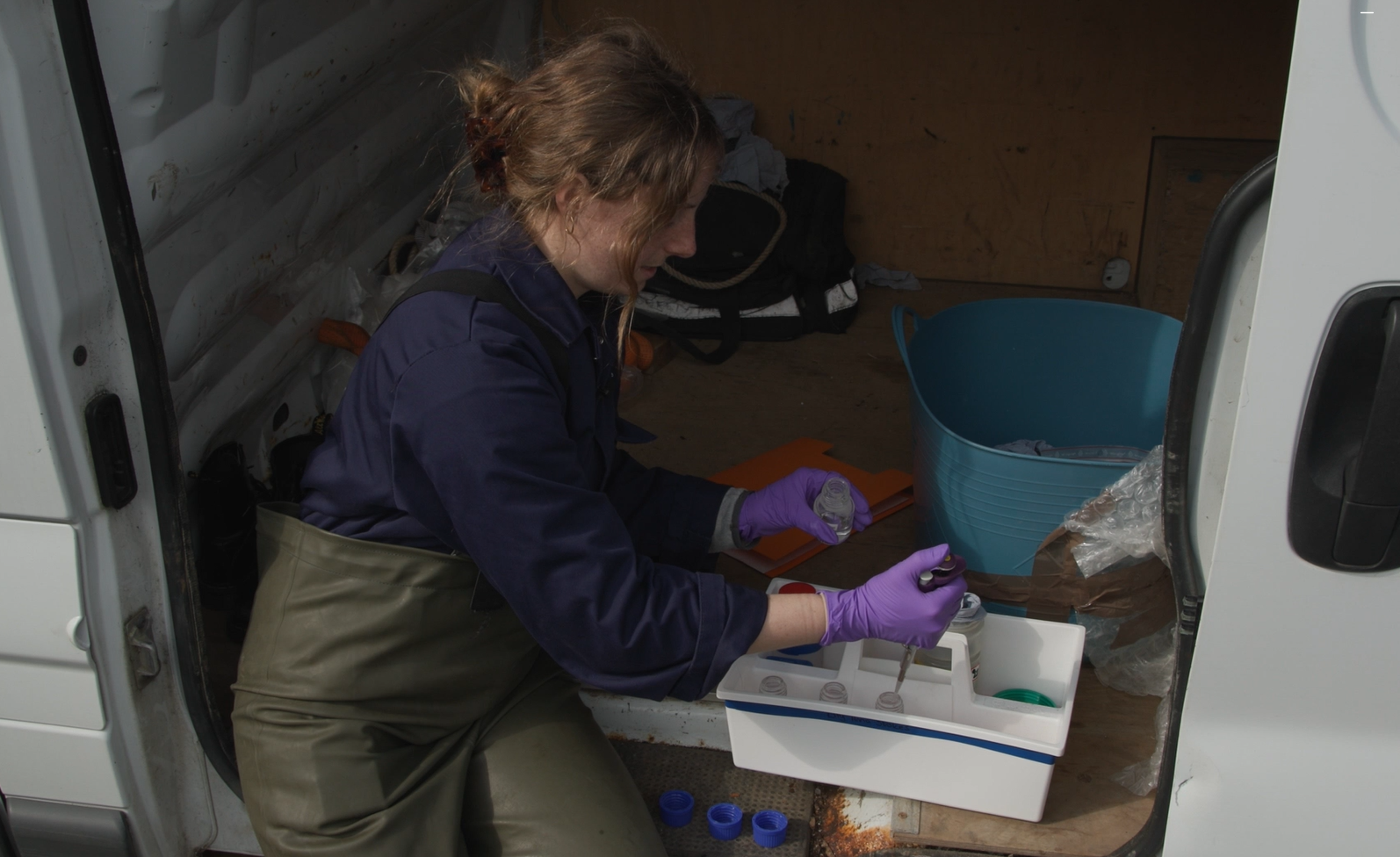
Meet the team
The scientists/ educators behind this Science Story:

- Name: Amy Kenworthy.
- Role: Presenter/ Science Communicator .
- About: Amy is a project manager and science communicator with experience managing international projects that address various pressures on the marine environment. She also develops and delivers ocean literacy activities for schools and diverse audiences .
Background
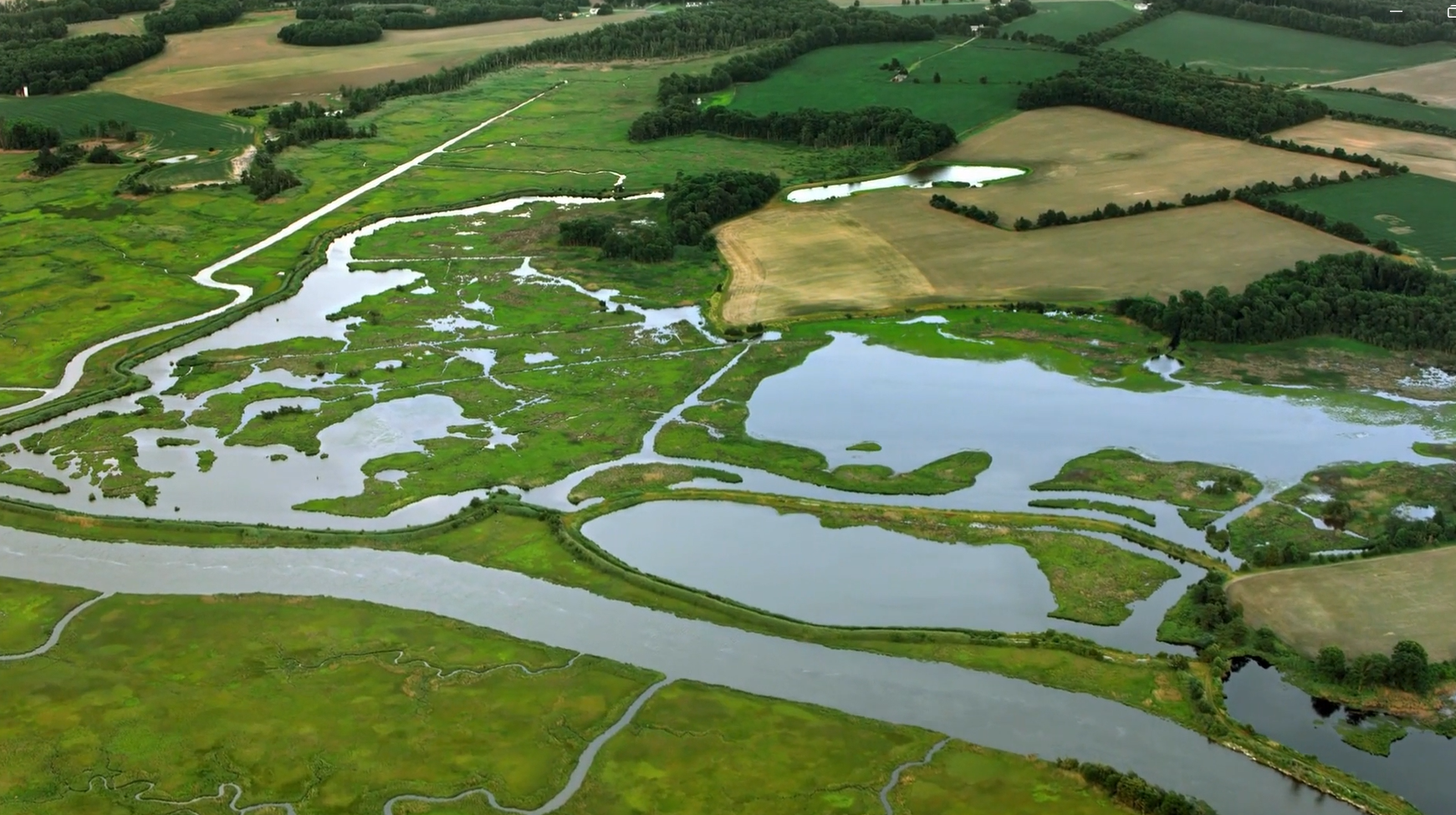
- Rivers are vital for people, plants, and animals .
- Humans have changed rivers for thousands of years to help with farming, energy, and transportation but can harm wildlife and natural habitats.
- Restoration aims to bring rivers closer to their natural state and helps fish, birds, and other wildlife. It can also reduce flooding and improve water quality .
- Understanding human impacts on rivers and the ecosystems that rely on them helps us make better choices for the future .
- Learning about restoration shows how humans and nature can work together .
Downloadable Science Story
This Science Story includes videos and activities that link to each other. Videos in this lesson plan provide background knowledge for the activities. We suggest watching the videos and choosing the activities that best suit your class or adapting them to suit your class.
Teacher's Notes
Science Story

Science Story Contents
Related Topics: Sustainable Resources. Biodiversity. Freshwater. Ecosystem Services. Nutrient Pollution.
Keywords: Nutrients. Freshwater Monitoring. Field Work. Eutrophication. Ecosystems. Pollution. Conservation. Climate. Freshwater. Water Quality. Habitats. Management. Secondary Education. Biodiversity. Changing Environment. Carbon. Critical Thinking. Species Diversity. Water. Contamination. Streams. Field Research. Flora. Estuaries. Coastal Lagoons. Environment. Wetland Restoration. Biology. Farming. Environmental Awareness. River Restoration.
Number of Views: 606
Number of Downloads: 1